


The way we define and design healthy workspaces has changed significantly over the last few years. In 2025, it’s no longer just about a comfortable chair or access to daylight. It’s about creating environments for wellness that support how people live, work, and feel.

Flexibility for Productivity
While ergonomic furniture remains essential, it’s just the starting point. Today, organisations are thinking more holistically about well-being. A 2022 study by the British Council for Offices found that access to a variety of work settings, such as focus areas, collaborative spaces, and breakout zones, is directly linked to improved employee satisfaction and productivity.
At Millennia, we’ve seen more clients prioritising layouts that allow flexibility, spaces where people can choose how and where they work. It’s less about fixed desks and more about adaptable environments that can shift with the day’s needs.
Wellness Through Material and Sensory Design
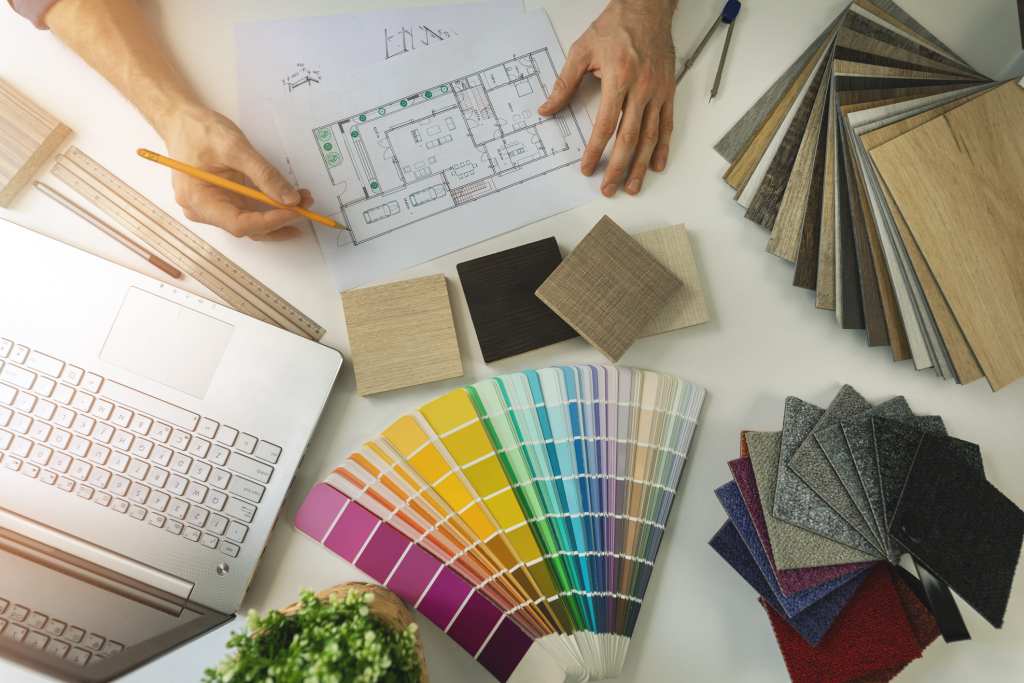
Healthier workspaces are also being shaped by the materials and finishes used. A Harvard study from the Center for Climate, Health, and the Global Environment found that better air quality in offices can lead to significantly higher cognitive function scores. This brings attention not just to ventilation, but to the materials in the furniture itself, low-emission, non-toxic, and sustainable wherever possible.
Texture, color, and acoustics play a role too. Soft surfaces reduce noise levels. Natural tones lower visual fatigue. Small, intentional choices can improve how people feel throughout the workday.
Making Space to Focus, the Nigerian Context
In Nigeria, many professionals work in environments where the basics, power, internet, noise control, are not always guaranteed. In 2025, a healthy workspace here must offer more than aesthetics or surface-level comfort. It must be a fully equipped environment that supports focus by reducing external friction.
Workspaces are increasingly expected to provide stability, a space where workers can leave distractions at the door and concentrate on the task at hand. That means reliable infrastructure, soundproofing where needed, ergonomic support, and thoughtfully designed zones that help teams stay productive
A Human-Centered Future
Ultimately, a healthy workspace in 2025 reflects a deeper understanding of how work affects people. And while aesthetics still matter, performance and well-being now lead the conversation. For brands like Millennia, the challenge is no longer just to design for function, but to design with empathy.


Sep 4, 2025
No Comments